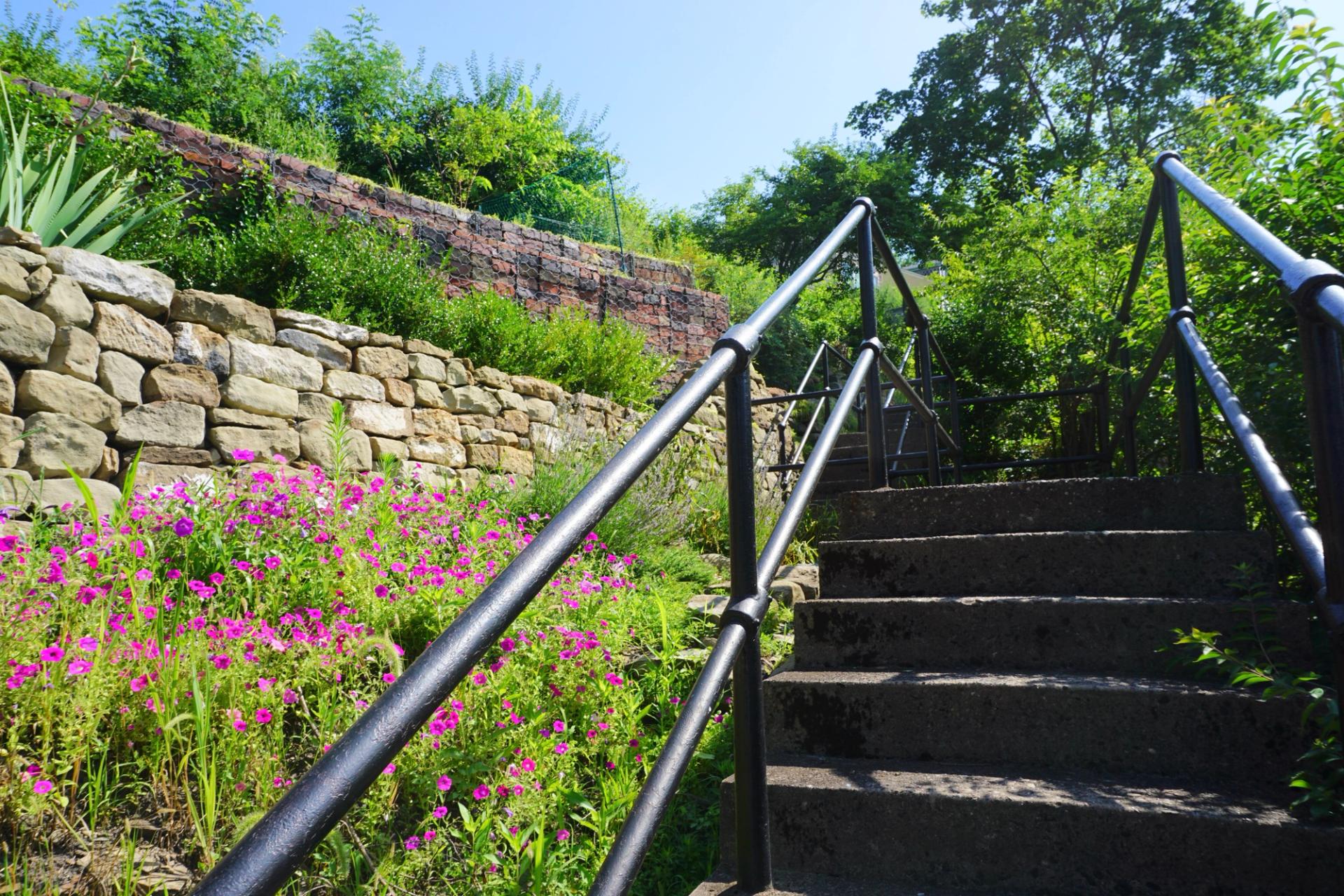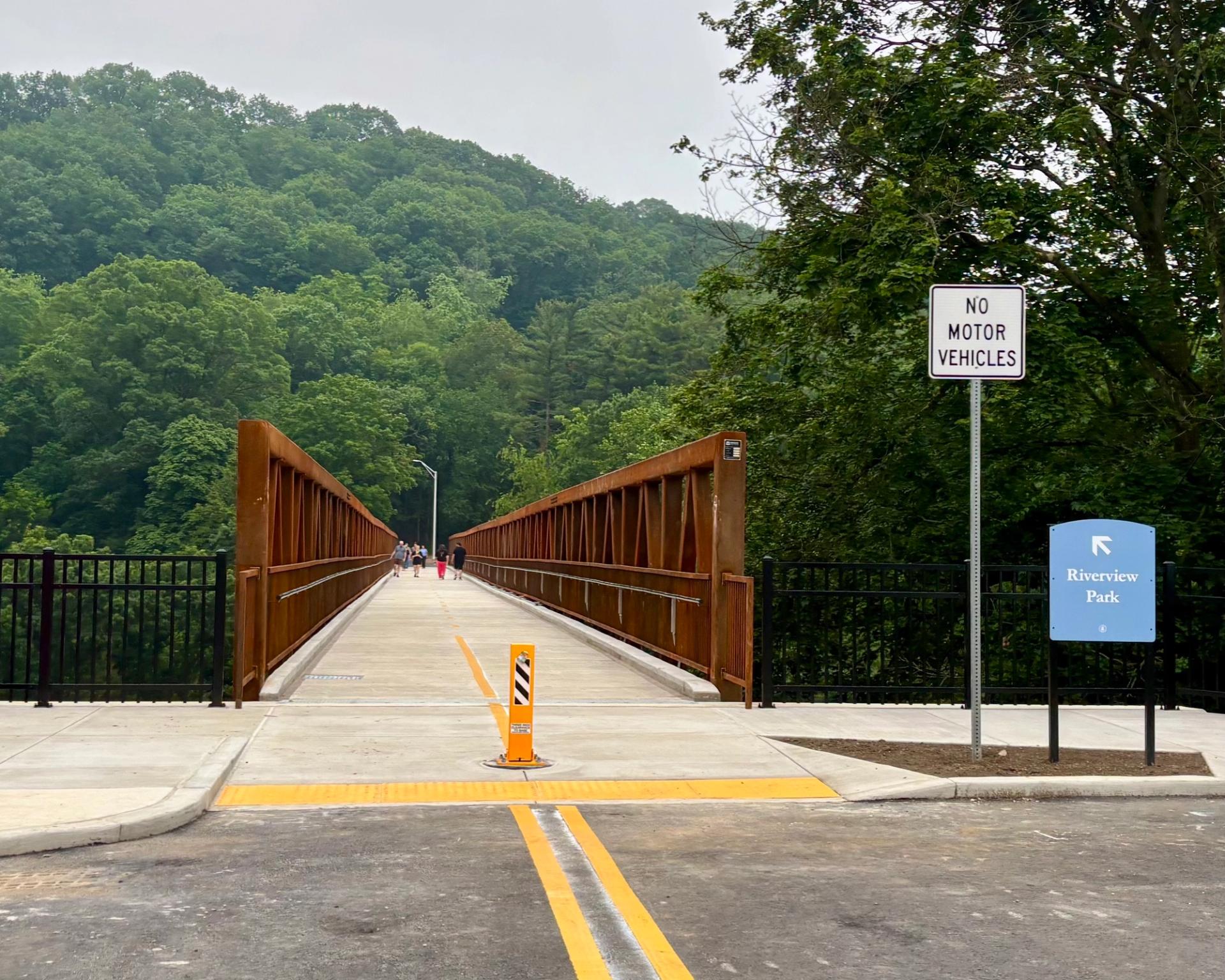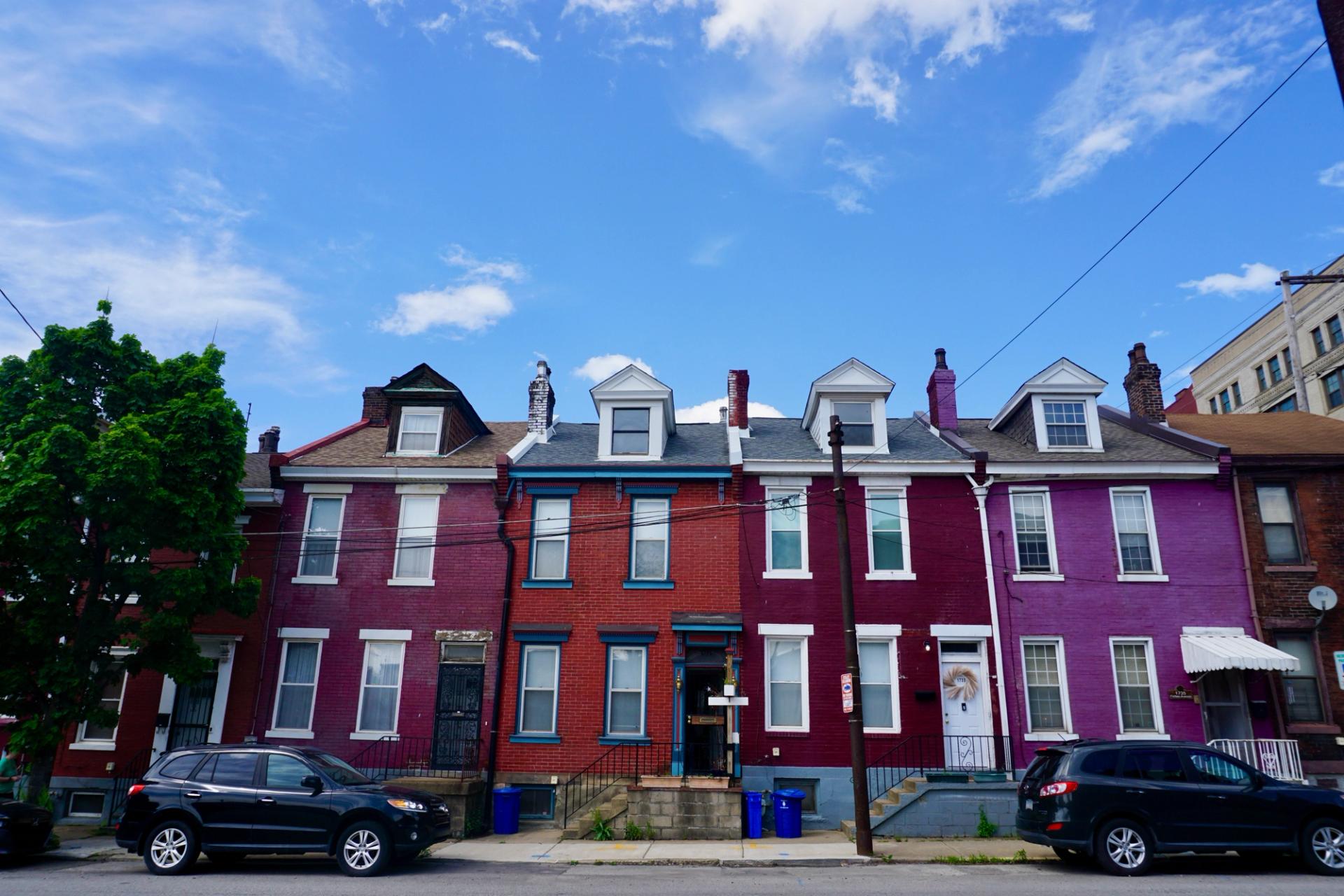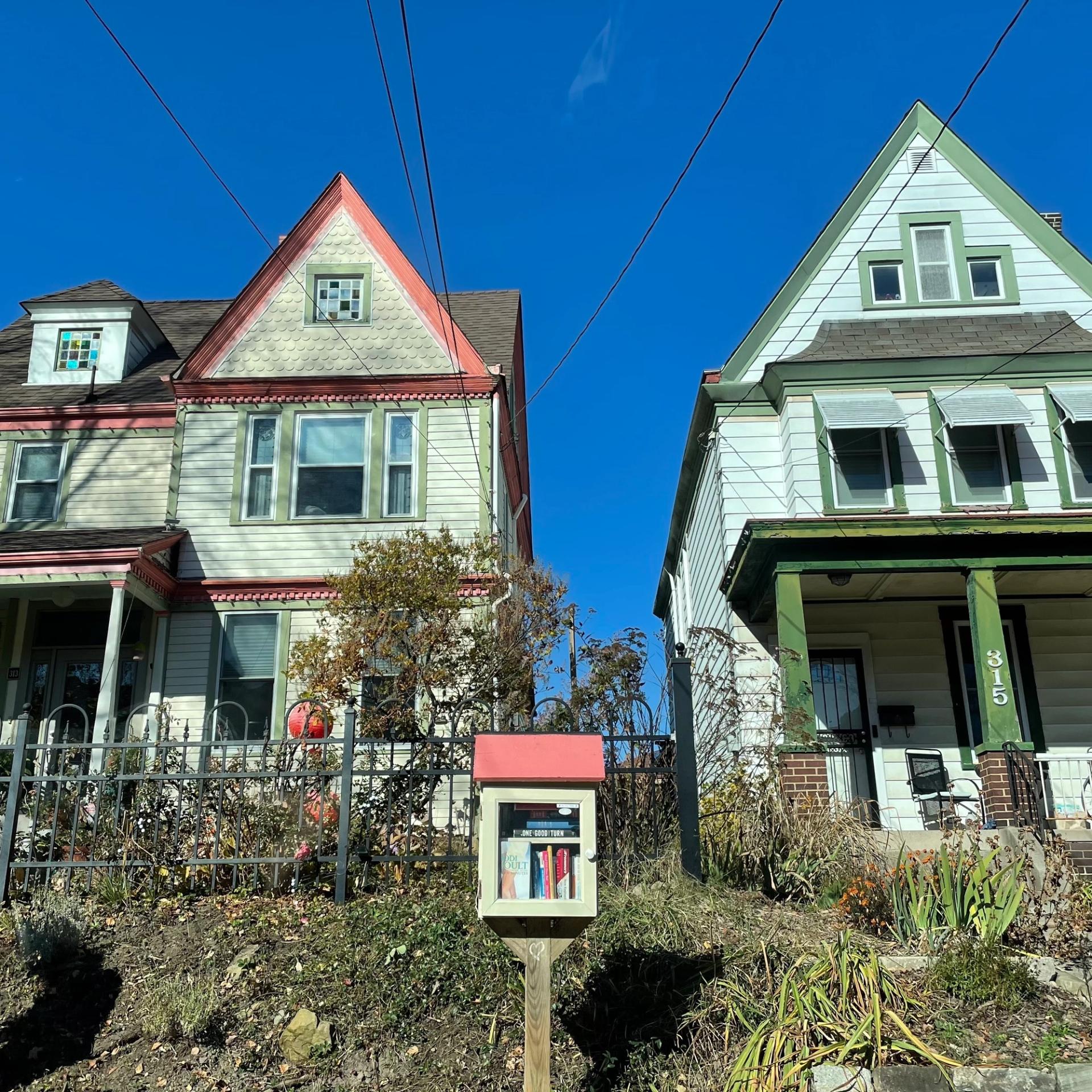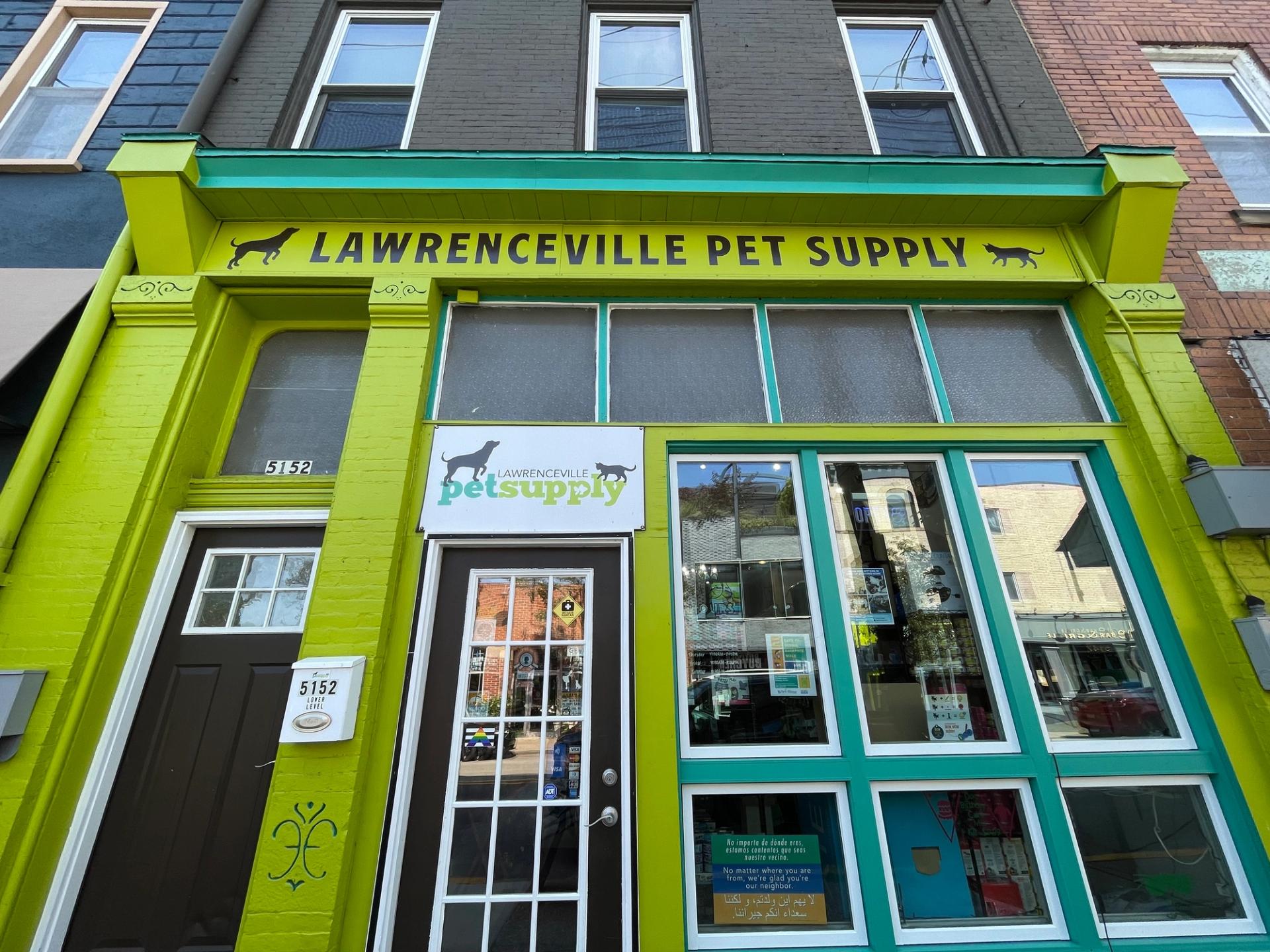
With a name like “Polish Hill,” the history of this neighborhood doesn’t need much explaining, but it was originally called “Herron Hill.” By the late 1800s, the high ground overlooking the city was home to a majority of Polish immigrants, many whom were steel workers, and that’s when the name changed. The population today is much more diverse, but you can still see pockets of Polish culture — just like pierogi! — tucked inside this hill community.
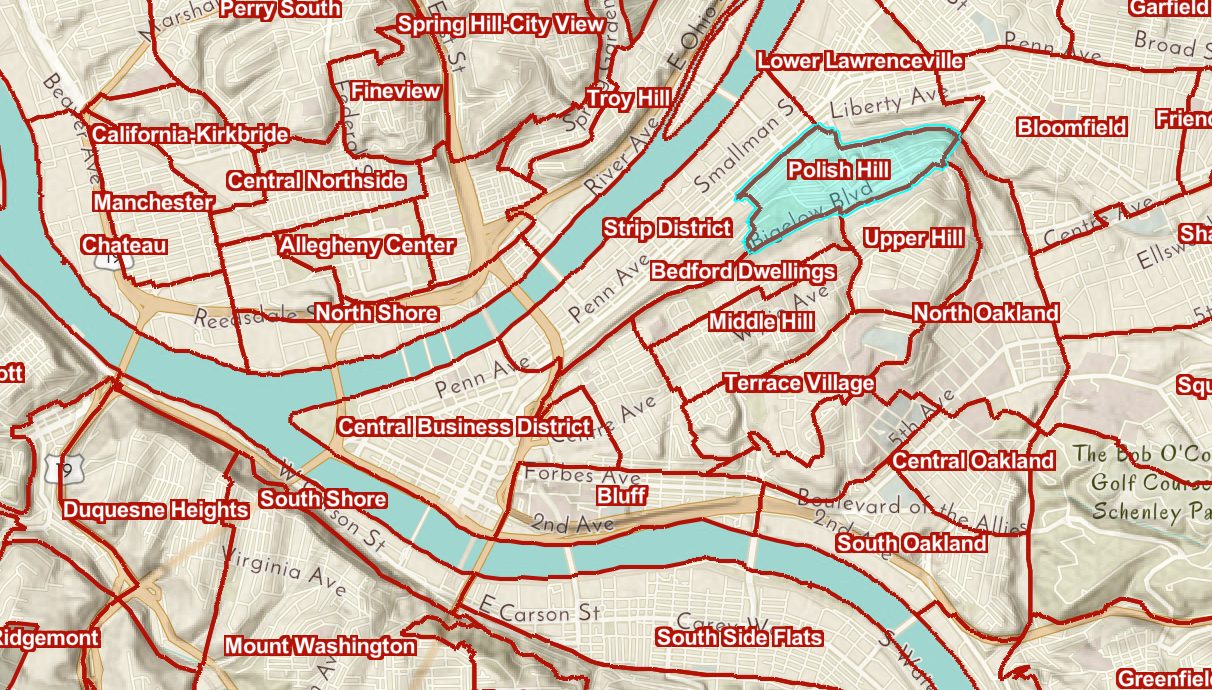
Polish Hill highlighted on the Pittsburgh neighborhood map. (City of Pittsburgh)
Go, See, Do!
Get moving by taking a power or slow flow yoga class at Prana Movement Studio on Bigelow Boulevard or head to West Penn Park’s playground and skate park.
The park is also home to the neighborhood’s volunteer-run community farm, which supports the Jubilee food pantry. Stop by in the spring or summer for seed swaps and other community events.
On good weather weekends, you’ll sometimes find the Dock Ellis amateur baseball teams cracking bats over at West Penn Field. It’s a punk-friendly, co-ed crew who want their pitches fast and their bats to be wood. There’s only one rule: no jerks allowed.
Keep your calendar open for Polish Hill’s annual May Day Parade — a celebration of International Workers Day and Pittsburgh’s workers rights history.
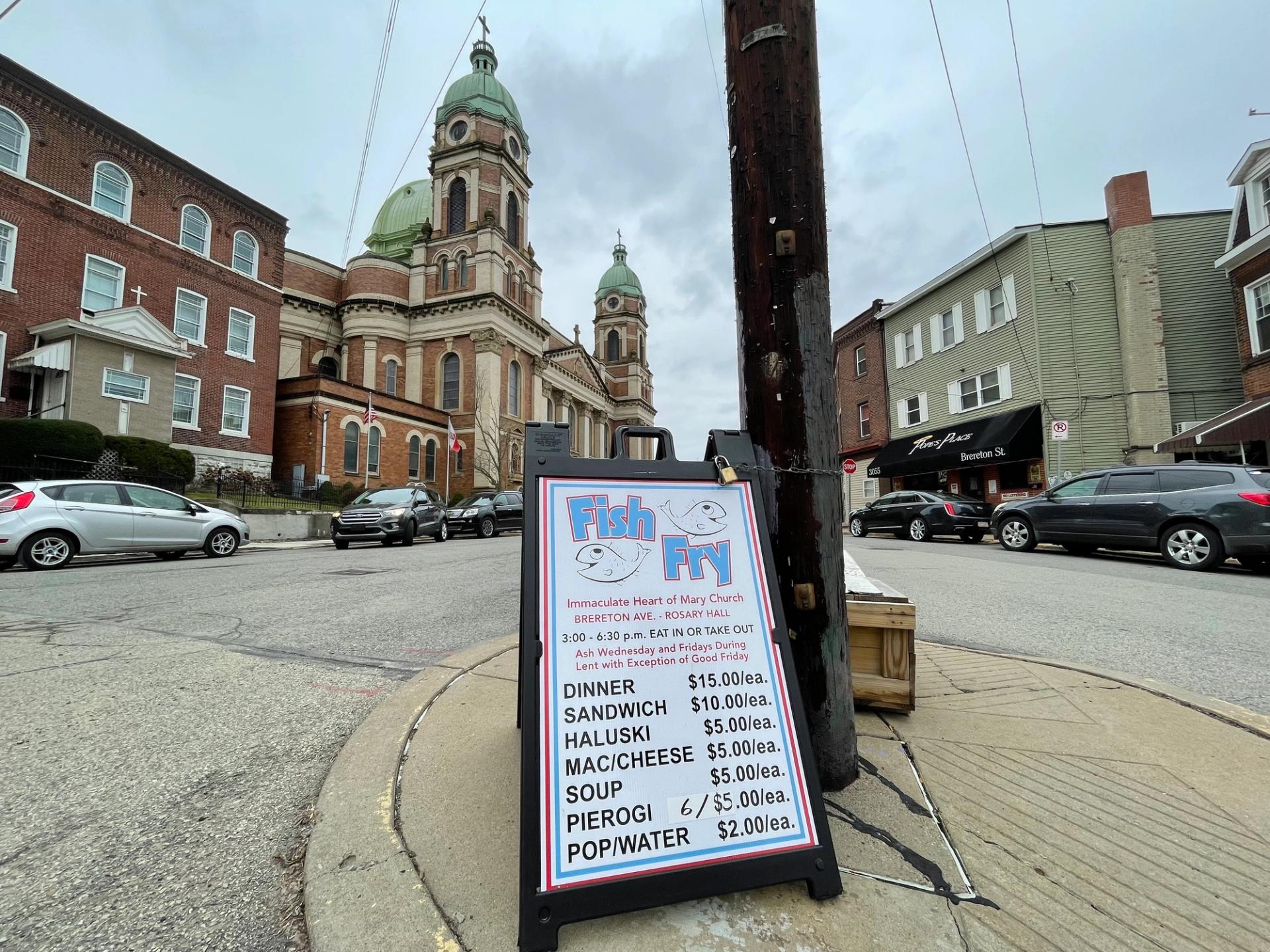
The fish fry sign outside of Immaculate Heart of Mary Church in Polish Hill. (Francesca Dabecco / City Cast Pittsburgh)
A cornerstone of the neighborhood is its grand Immaculate Heart of Mary Church, completed in 1905 with a cathedral-style dome and stained glass windows. Whatever your religion, it’s worth a peek inside! And you might as well stop by the church on Fridays during Lent for their famous fish fry, pierogi, haluski, and macaroni and cheese. Find more spots in the 2024 fish fry guide.
Eat & Drink
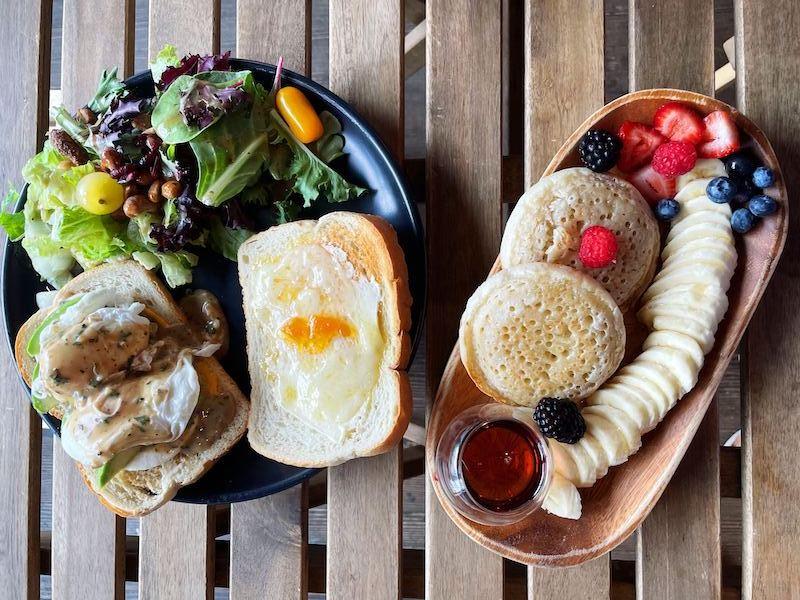
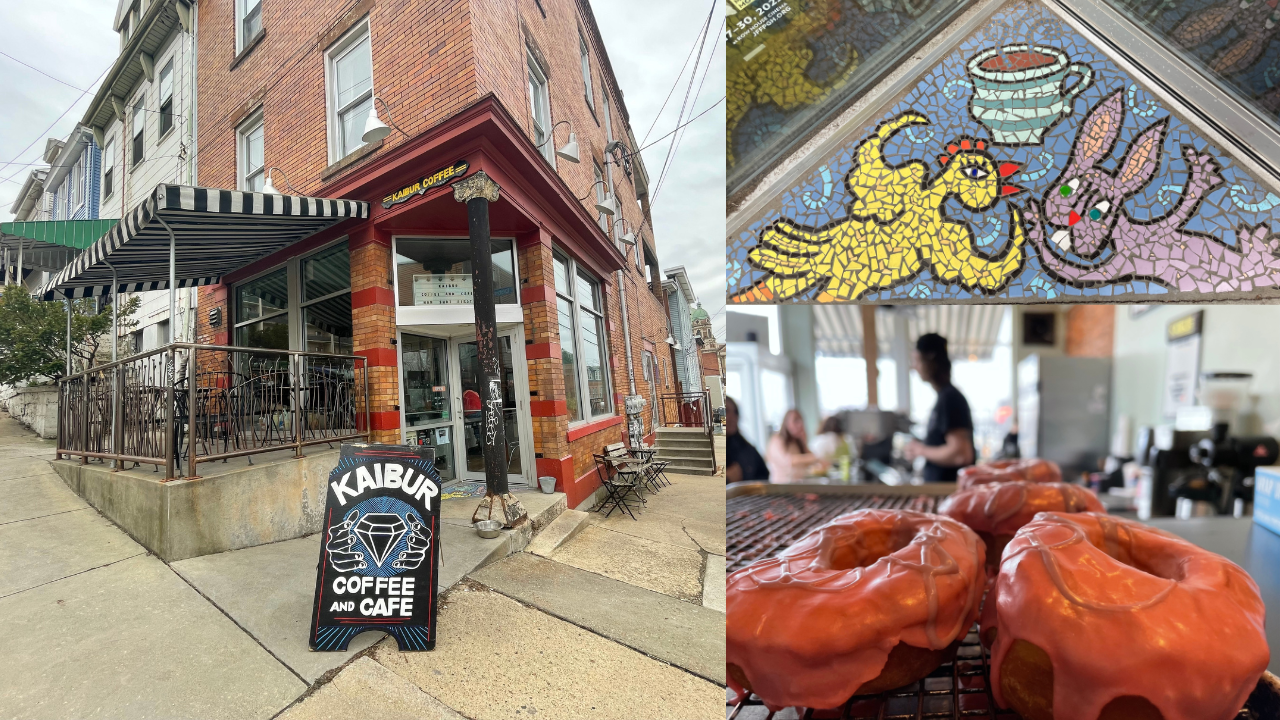
Speaking of grub — if you like vegan doughnuts, breakfast sandwiches, and lattes with house-made syrup, Kaibur Coffee is your place. They come out with new doughnut flavors on Monday, Friday, and Saturday.