

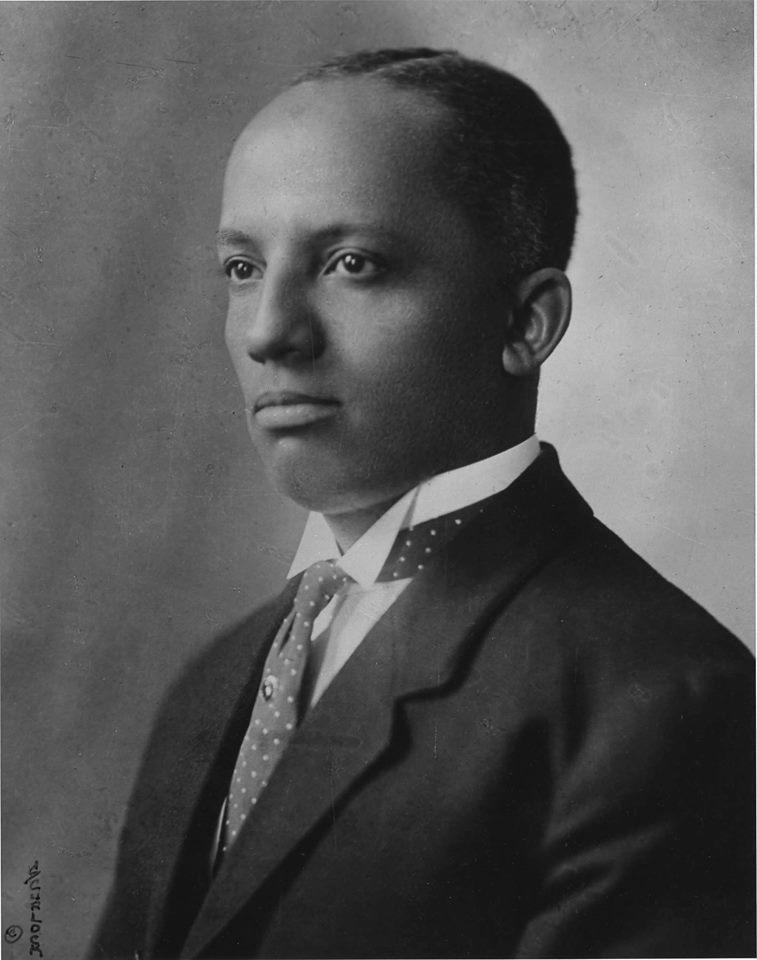
Black history is American history, and though we pay special attention to the significant achievements and contributions Black Americans and people of African descent have made to this country during February, learning and honoring Black history is absolutely of year-round importance.
"Black History Month shouldn't be treated as though it is somehow separate from our collective American history,” said President Barack Obama in 2016. “It's about the lived, shared experience of all African Americans, high and low, famous and obscure, and how those experiences have shaped and challenged and ultimately strengthened America.”
History of Black History Month
Black History Month’s roots started in 1915 — half a century after slavery was abolished — when scholar Carter G. Woodson co-founded the Association for the Study of Negro Life and History. He urged other Black scholars and civic organizations to promote their community’s achievements, and out of that motivation the Association sponsored Negro History Week in the second week of February 1926.
By the late 1960s, Woodson’s concept was expanded into what we now recognize as Black History Month, officially recognized by President Gerald R. Ford during the 1976 bicentennial.
Why February
Woodson, considered the “father of Black history,” chose February to coincide with the birthdays of former slave and prominent abolitionist Frederick Douglass (believed to be Feb.14) and President Abraham Lincoln (Feb. 12), who was influential in the emancipation of slaves. Woodson also chose this week out of tradition, as Black communities had already been honoring these two birthdays during the second week of the month.
This Year’s Theme
The 2024 theme is “African Americans and the Arts,” in recognition of the paramount influence of Black artists, artworks, and movements, and to highlight “the richness of the past and present with an eye towards what the rest of the 21st century will bring,” according to the Association for the Study of African American Life and History.
Ways to Honor Black History Month in Pittsburgh
📜 Head to a museum. At the Carnegie Museum of Natural History, the artwork of the “Envisioning a Just Pittsburgh” project will be on display through Feb. 29. The project encouraged artists throughout southwestern Pennsylvania to submit works that share what an equitable Pittsburgh could be. The “From Slavery to Freedom” exhibit at the Heinz History Center highlights the enslavement of Africans, the history of the anti-slavery movement, and the significant contributions of the region’s African American community.
📚 Celebrate Black literature and the arts. Carnegie Library of Pittsburgh is hosting events throughout February, from movie screenings to author events and more. CLP staff has published their book recommendations to honor Black History Month, check that list out here.
⚾ Play ball! Pittsburgh was once the center of Negro League baseball, with teams like the Homestead Grays and Pittsburgh Crawfords. Witness that history at the Western Pennsylvania Sports Museum.
🪘 Engage in movement and dance. In Homewood, the Legacy Arts Project has Afro-movement dance classes on Wednesdays, youth African drum classes on Thursdays, and more. Around the corner, the Sankofa Village for the Arts has youth and adult capoeira dance classes — the Afro-Brazilian martial art created by slaves — and a variety of other classes.
🎧 Listen up! Did you know Black Pittsburghers revolutionized emergency healthcare? The City Cast Pittsburgh podcast spoke with Kevin Hazzard, the author of “American Sirens: The Incredible Story of the Black Men Who Became America's First Paramedics,” about the trailblazing group of Black men from the Hill District.



,_Carter_G._Woodson_Home_National_Historic_Site,_1915._(18f7565bf62142c0ad7fff83701ca5f6).jpg?uselang=en#Licensing)